


Where to place security cameras in an apartment: put one indoor camera facing your own front door, cover the main living area, and add a peephole or battery doorbell outside only with your landlord’s agreement. Nothing gets fixed to the building without permission, and nothing points at a shared hallway or a neighbour’s door.
Renting changes the answer. This guide covers the spots that work in a rental and the limits that apply to tenants, then the general placement rules — height, glare, blind spots — that apply in any home.
Table of Contents
Where to place security cameras in an apartment
Cover the inside of your own front door first, then the main room. In a rental the useful positions are the ones that need no fixing to the building and see nothing that is not yours.
- Facing your own front door, from inside. A camera on a shelf or bookcase pointed at the entry catches anyone who comes through it. No mounting required.
- The main living area. One wide view of the room where valuables are, angled away from windows that overlook neighbours.
- The front door outside — only with permission. A peephole camera or battery doorbell replaces nothing permanently and comes off at move-out.
- A sliding door or balcony door. Often the weakest point in an apartment, and a camera here points into your own home rather than outward.
- Not the hallway. Shared corridors are the building’s space, not yours.
Height still matters indoors: above eye level, angled slightly down, and away from a window that will backlight everything during the day.
For devices that suit this, see a security camera without subscription and video doorbell for renters.
Where to place security cameras first?
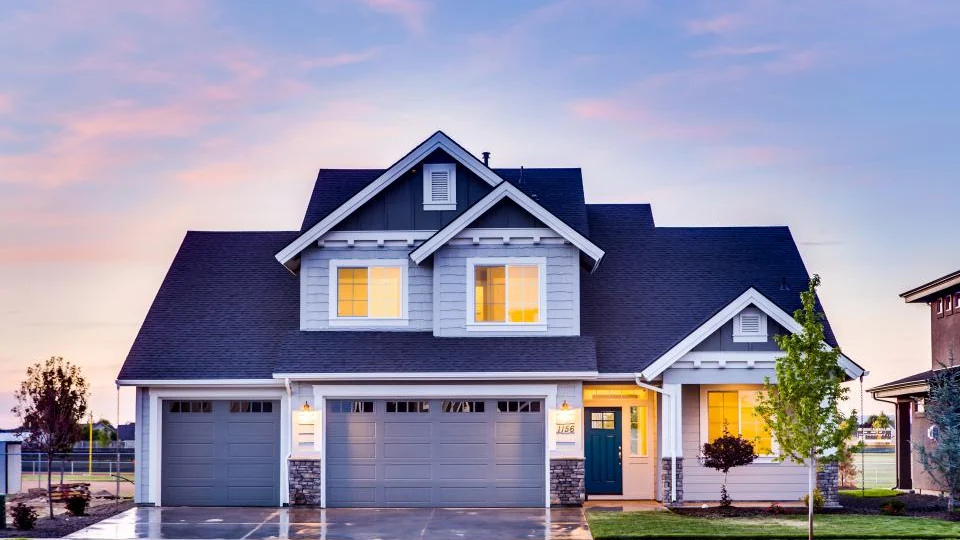
Start with the main entrance, because it is where most visitors, deliveries and intruders arrive. One well-placed camera there is worth more than several poorly placed ones.
| # | Spot | Why |
|---|---|---|
| 1 | Front door | The main point of entry and deliveries |
| 2 | Back door | Out of sight from the street |
| 3 | Side door or gate | A common unseen route |
| 4 | Ground-floor windows away from the street | Hidden from passers-by |
| 5 | Driveway | Vehicles and approach to the house |
| 6 | Garage | Tools, bikes and a second way in |
| 7 | Main hallway or stairs indoors | Anyone inside must pass through |
| 8 | Living area with valuables | Shared space, not a private room |
How high should a security camera be?
Mount outdoor cameras high enough to be out of easy reach but low enough to see faces. Security.org suggests roughly 8 to 10 feet (about 2.5 to 3 meters), angled slightly downward.
- Too high, and you record the tops of heads.
- Too low, and the camera is easy to cover or steal.
- Angle it down so the horizon is near the top of the picture.
- Check the live view on your phone before you fix it in place.
How do you avoid glare and blind spots?
Keep the camera out of direct sun and away from bright lights and glass. Test the view by day and by night before you finish.
- Mount under an eave or porch roof for shade and shelter.
- Do not point an indoor camera through a window, because night vision reflects off the glass.
- Avoid aiming straight at a street lamp or porch light.
- Overlap the views of two cameras at corners.
- Trim plants that will grow into the frame.
Where should you never place a camera?
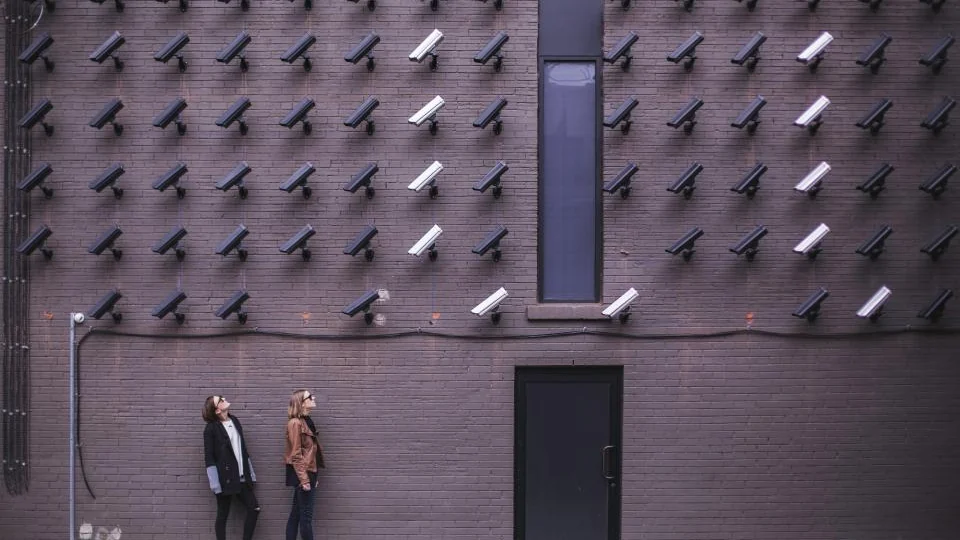
Never point a camera into a bathroom, a bedroom used by someone else, or a neighbor’s home or garden. This site does not cover hidden cameras or recording people without their knowledge.
- Bathrooms and changing areas.
- Bedrooms of guests, lodgers, children old enough to expect privacy, or staff.
- A neighbor’s windows, doors or yard.
- Shared hallways without the building’s permission.
Recording laws differ by state and country, especially for audio. The U.S. Federal Trade Commission also has advice on using IP cameras safely.
How do power and Wi-Fi affect where you can place a camera?
A camera can only go where it has power and a connection. Check both at the exact spot before you mount anything.
| Camera type | Needs | Placement limit |
|---|---|---|
| Plug-in | An outlet nearby | Cable length to the outlet |
| Battery | Recharging every so often | Somewhere you can reach |
| Solar | Several hours of sun | A sunny wall or roof edge |
| Wired to a recorder | A cable run | Wherever you can route the cable |
If Wi-Fi does not reach the spot, see security cameras without wifi.
What tenants can and cannot record
You can record inside your own unit. You generally cannot record shared areas, a neighbour’s door or window, or audio of people who have not consented — and recording rules vary by state and country.
- Inside your unit: normally fine. It is the space you rent.
- Shared hallways, lobbies, laundry: the building’s responsibility, not a tenant’s. Check the lease and building rules before pointing anything at them.
- A neighbour’s door or window: avoid entirely. This is the most common complaint against tenants with cameras.
- Audio: treated more strictly than video in many places. Several US states require all parties to consent to a recording. Turn audio off unless you are certain.
- Anything mounted outside: ask in writing, and keep the reply.
If a dispute arises, USAGov lists the state agencies that handle tenant rights. For the camera account itself, the US Federal Trade Commission publishes advice on securing home security cameras.
None of this is legal advice. Lock rules, recording consent and lease terms differ by state and country, so check your own lease and local law before installing anything.
Frequently asked questions
Where is the best place to put a security camera?
The front door, because most arrivals happen there. Follow with the back door, side entrances, ground-floor windows away from the street and the driveway.
How high should I mount an outdoor security camera?
High enough to be out of easy reach while still seeing faces, commonly around 8 to 10 feet, angled slightly downward.
Where should I put indoor security cameras?
In a main hallway, by the stairs or in a shared living area that anyone entering must pass through. Keep them out of bedrooms and bathrooms.
Can I point a security camera at my neighbor’s property?
No. Aim cameras at your own property only. Recording a neighbor’s home or garden can break privacy laws.
Can I put a security camera behind a window?
It works poorly at night, because infrared light reflects off the glass. Mount outdoor cameras outside, or turn off night vision and use outside lighting.
How many security cameras does a house need?
Most homes are covered by two to four: the front door, the back door and one or two for the driveway, side or main hallway.
About the author: Hamza Javaid is a web developer and the editor of InnovateTechie. Read our editorial policy.
Last updated: October 2026. Prices, plans and app menus change often, so confirm details on the manufacturer’s page before you buy.
