


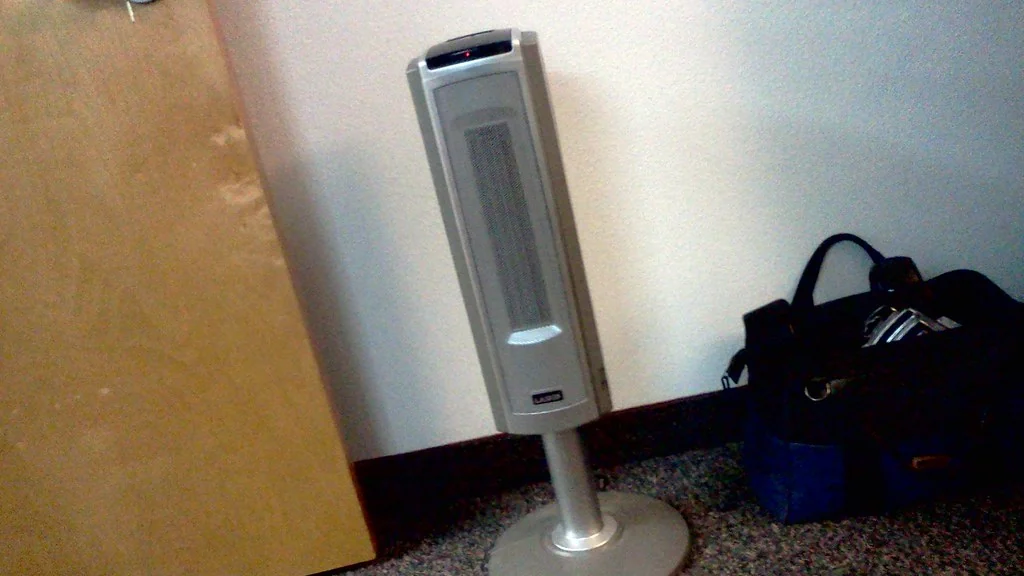
What not to plug into a smart plug: space heaters, air conditioners, refrigerators, large appliances, medical equipment and anything that would be unsafe if it switched on while nobody was home. The limit is set by the load rating printed on the plug and by common sense about heat.
The eight rules below explain each case and what to use instead.
Table of Contents
Why do some appliances not belong on a smart plug?
There are three reasons: the appliance draws more power than the plug is rated for, it creates heat that should not start unattended, or it must never lose power. Each rule below falls under one of these.
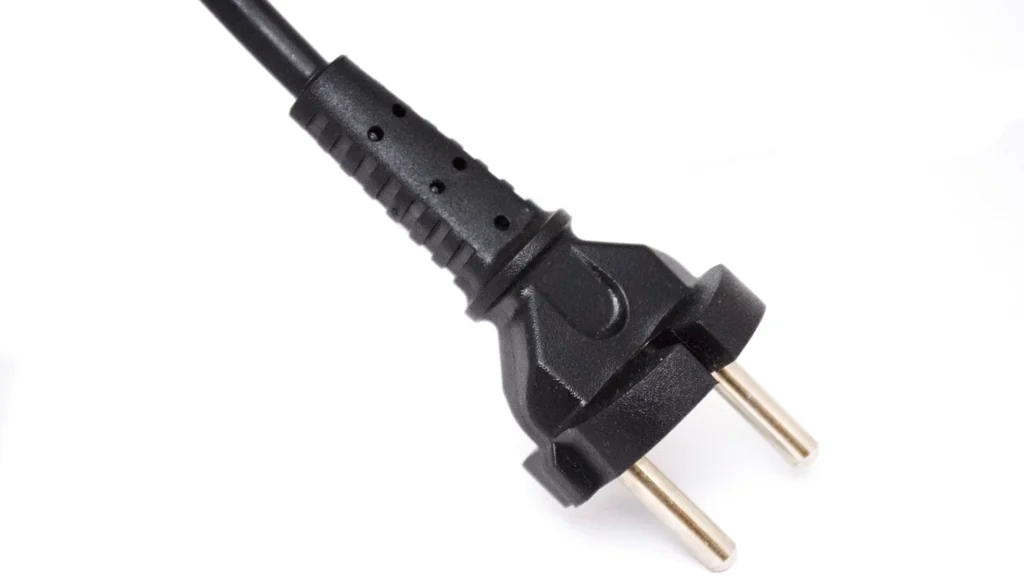
Every smart plug has a maximum load, shown in amps or watts on its label and product page. Compare it with the figure on the appliance’s own rating label before you connect anything.
What not to plug into a smart plug: the 8 rules
Keep these eight kinds of appliance off a standard smart plug.
- Space heaters. High power draw and a fire risk if started when nobody is present.
- Air conditioners. Compressors pull a surge of power at start-up.
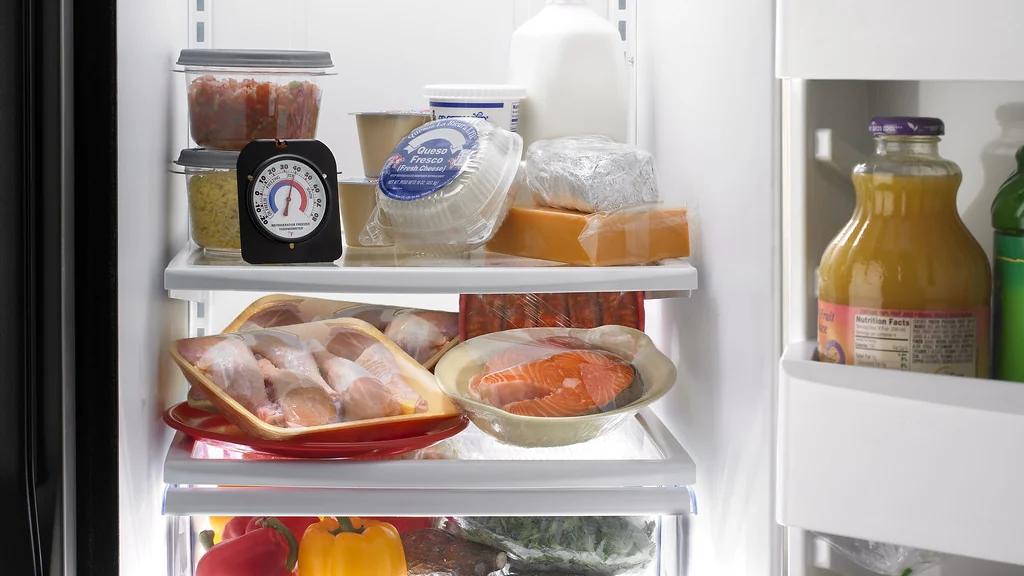
- Refrigerators and freezers. A plug that switches off by mistake can spoil food.
- Large appliances. Dryers, ovens, washing machines, dishwashers and water heaters exceed the load.
- Heat tools. Irons, hair straighteners and curling tongs must be switched off by hand.
- Medical equipment. Anything health-related needs uninterrupted power.
- Computers and devices mid-update. Cutting power without a proper shutdown can corrupt data.
- Other smart devices. A smart bulb or hub on a smart plug goes offline when the plug turns off.
How do you check a smart plug’s load rating?
Read the rating on the plug and on the appliance, and keep the appliance well below the plug’s limit. Both labels use the same units.
- Find the maximum load on the plug or its product page, in amps or watts.
- Find the rating label on the appliance, usually on the back or base.
- If one is in amps and the other in watts, multiply amps by your mains voltage to get watts.
- Leave a margin. Do not run an appliance right at the plug’s limit.
- If you cannot find a rating, do not use that plug.
For general outlet and overload safety, see the Electrical Safety Foundation.
What can you use instead?
Use a control made for the appliance, or a heavy-duty smart plug that the manufacturer rates for that load. The safer option is nearly always a product designed for the job.
| Appliance | Better option |
|---|---|
| Space heater | A heater with a built-in thermostat, timer and tip-over shut-off |
| Window or portable air conditioner | An infrared smart remote, or a model with built-in Wi-Fi |
| Central heating and cooling | A smart thermostat |
| Water heater or dryer | A controller made for that appliance, fitted by an electrician |
| Refrigerator or freezer | Leave it on a normal outlet. Add a temperature sensor if you want alerts |
| Smart bulb | Control the bulb directly and leave the outlet on |
What is safe to plug into a smart plug?
Low-power appliances that are safe to run unattended and start as soon as they get power are ideal. Lamps are the classic example.
- Lamps and string lights.
- Fans.
- Phone and laptop chargers.
- Coffee makers with a manual switch, when you are home.
- Dehumidifiers and air purifiers within the plug’s rating.
- TV and games console strips, to cut standby power.
Routines for all of these are in our smart plug ideas.
How do you spot a mistake over what not to plug into a smart plug?
A plug that feels hot, smells of burning plastic, shows discoloration or keeps switching itself off is overloaded or faulty. Unplug it and stop using it.
- Warmth is normal. Too hot to hold is not.
- Buzzing or crackling means stop immediately.
- Do not plug a smart plug into an extension lead that is already full.
- Replace any plug with damaged pins or casing.
Frequently asked questions
What should you not plug into a smart plug?
Do not plug in space heaters, air conditioners, refrigerators, large appliances, heat tools or medical equipment. They draw too much power or are unsafe to switch remotely.
Can I plug a space heater into a smart plug?
Not into a standard one. Heaters draw high power and should not start when nobody is in the room. Use a heater with its own thermostat, timer and safety shut-off.
Can I plug a refrigerator into a smart plug?
It is not recommended. Compressors pull a surge at start-up, and a plug that turns off by mistake can spoil food.
Is it safe to plug a TV into a smart plug?
Yes for cutting standby power when the TV is off. Avoid cutting power while a smart TV is updating, and do not switch it off mid-use.
How many watts can a smart plug handle?
It depends on the model. The limit is printed on the plug and listed on its product page. Always compare it with the appliance’s rating label.
Can I plug a power strip into a smart plug?
Only if the total load of everything on the strip stays below the smart plug’s rating. The plug then switches all of those devices together.
About the author: Hamza Javaid is a web developer and the editor of InnovateTechie. Read our editorial policy.
Last updated: October 2026. Prices, plans and app menus change often, so confirm details on the manufacturer’s page before you buy.
